How to Make Your First Vinyl Record: A Step by Step Guide
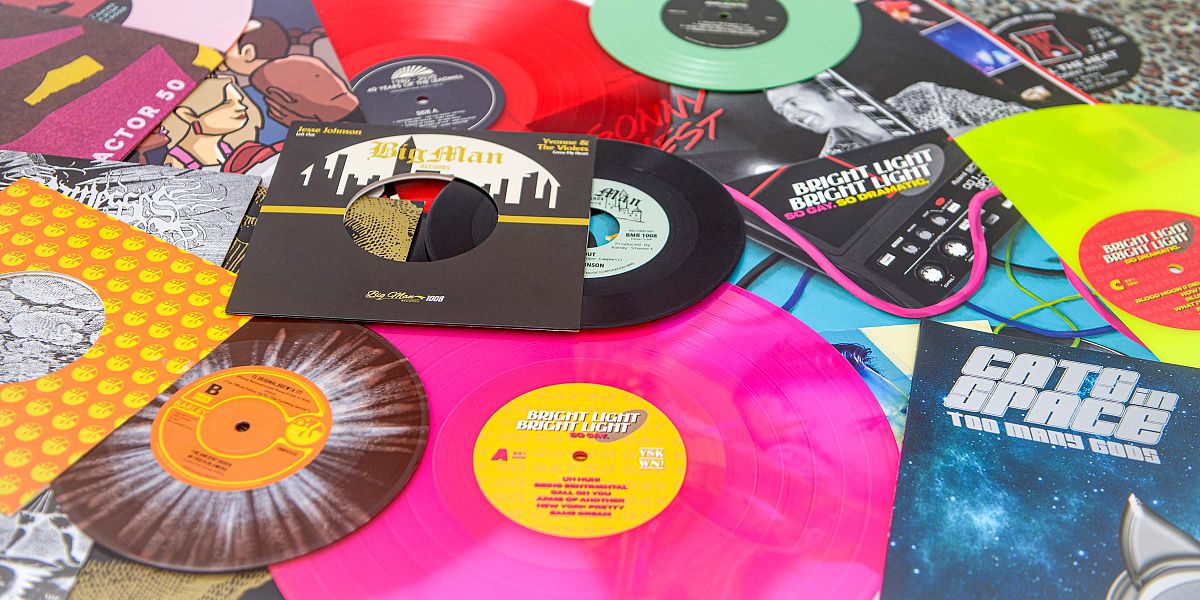
For music fans there’s something super special about vinyl records. Holding a record in your hands, opening it for the first time, placing it on a turn table and dropping the needle. And then there is the way vinyl records are woven into the history of music across genres and going back decades. Vinyl's popularity has continued to increase in recent years even as streaming has become the dominant delivery system, making it a dream for many artists to release their music this way. You might think making your own record is too complex or expensive for an independent artist in the UK or anywhere else. This guide shows you it’s totally possible and we'll walk you through every stage from mastering to completed product.
Pre-Production Essentials for Your Vinyl Record
Understanding Vinyl Formats and Specifications
If you're reading this you probably already know what what type of record you might want to make whether that's a 7", 12" or even 10"; but you need to be sure it's right for your music. A 7" single playing at 45 RPM will usually hold no more than 5 minutes of music per side. 10" records are a great choice for an EP, with space for more tracks at 33⅓ RPM or 45 RPM but they tend to be quite expensive to manufacture. Then there's the 12", perfect for full albums or LPs playing at 33⅓ RPM and offering up to 22 minutes per side or a 12" single at 45RPM providing the best sound quality and dynamic range. Your chosen track length and the number of songs will guide your format choice. Talk to us early so we can help you pick the best format for your music or read more in this complete guide to Vinyl Record Sizes and Speeds.
Mastering Your Audio for Vinyl
Preparing your audio specifically for vinyl is vital to get the best results. Whilst a good cutting engineer will have techniques for mitigating any issues a dedicated vinyl master makes sure your music sounds its best. Vinyl mastering has specific needs, such as managing dynamic range and extreme frequencies. Many top mastering engineers in the UK offer services specifically for vinyl and they know the tricks to make your tracks shine on a record. Get in touch if you want advice on mastering your music for vinyl.
Artwork and Packaging Considerations
Your album artwork is a big part of your record's appeal. Think about the visual impact of your cover, what information you want to include on the back, the labels and inner sleeve. You'll need high-resolution files that meet specific print requirements for your chosen packaging. You'll also need to stick to the exact dimensions of the packaging you choose whether that's a spined LP sleeve a gatefold record sleeve or a printed disco bag. Classic records often have famous cover designs that stick with you. Good design makes your record stand out. Consider working with a graphic designer who has experience with vinyl packaging. They understand the unique print needs and can help your vision come to life. At Breed we can design or layout out your artwork for you or you can give our artwork guide to your designer. Remember to contact us for the right template.
Choosing a Vinyl Manufacturer
Researching UK Vinyl Manufacturers
Finding the right vinyl manufacturer is a huge part of this journey. Like many people you might start by searching online for "vinyl record pressing UK" but how do you choose who to use? For your first release it's advisable to use a vinyl manufacturing company that will provide a complete one stop shop, guiding you through the process of supplying your masters and artwork designs and filling the gaps in your knowledge producing your first vinyl record.
Understanding the Quoting and Ordering Process
To get a useful quote you'll need to specify details such as the vinyl size, how many units you need, if you want coloured vinyl and of course the type of packaging. Having a clear idea of what you want will get you an accurate price. Understand the payment terms; generally you will be asked for paymentt upfront to start your order. When comparing quotes from a few different places it's important to check what's included in the quoted price. For instance are test pressings included in the price or is there an additional charge for shrink-wrapping.
The Production Workflow
From Master Disc to Stampers
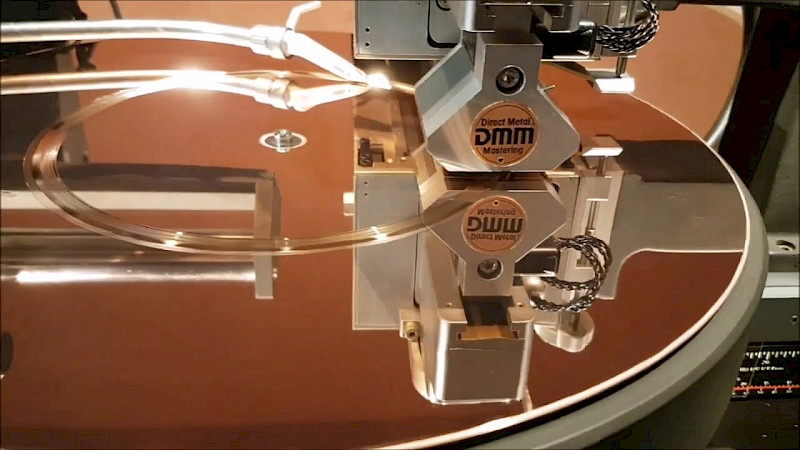
The journey from your music file to a physical record is pretty cool. First, your approved audio master is cut onto a special copper coated steel disc using a cutting lathe operated by a specialist cutting engineer. This process, called direct metal mastering - DMM, then goes through a series of chemical processes to create metal stampers that are the moulds used to press your records.
The Importance of Test Pressings
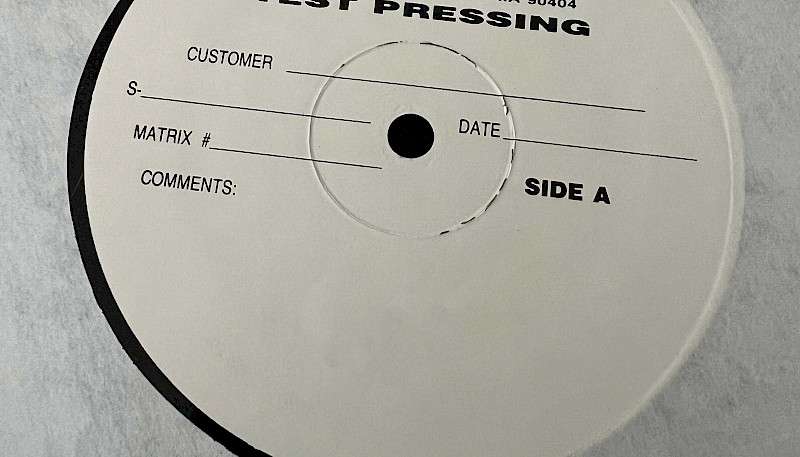
Test pressings are super important for quality control. These are the first few records made from your master. You get to listen to them at home, just like a regular record. What should you listen for? Check for any skips, or pops that shouldn't be there. Listen closely to the overall audio fidelity; does it sound clear and true to your master? This is your chance to catch any issues before the full run begins. You'll find detailed information on what to look and listen for in this article on understanding Vinyl Test Pressings.
The Pressing and Finishing Stages
Now for the fun part; actually pressing the records. PVC is placed in a hydraulic press with a label placed on each side. The stampers then press down, moulding the hot PVC into the record shape. After pressing, the records are cooled quickly and any excess vinyl is trimmed off leaving a perfectly round record ready for playing.
Quality Control and Packaging
After pressing the finished records are given a quick visual check as they're sleeved, usually to plain white inner bags by hand before being put into their printed outer sleeves. Printed inner sleeves or other inserts are also available. Finally, your records are shrink-wrapped to protect them in their onward journey and packed safely in boxes, ready to be shipped out.
Distribution and Marketing Your Vinyl
Planning Your Release Strategy
Before you even start your record pressing plan your release strategy. Liaise with the manufacturer before setting a release date for your vinyl. If you're working with distributors, coordinate with them on timelines. Start getting your promotional materials ready, like press photos, videos, and album artwork.
This may be your first vinyl record but you've probably already put music out on a streaming service, Soundcloud or YouTube so use those and your social media channels to publicise your vinyl release.
UK-Specific Distribution Channels
Getting your vinyl into shops across the UK can be done in a few ways. You might work with an independent record distributor. These companies help place your records in record shops up and down the country. Selling directly to shops, especially smaller local ones, is also a great option. Many shops love to support local artists.
Don’t forget online channels like Bandcamp or even your own website. Selling directly to fans means you keep more of the money. You can even sell records at your live shows.
Costs and Budgeting for Your First Vinyl Run
Breakdown of Pressing Costs
Included in the costs will be setup fees, which cover the cutting and metalwork processing along with artwork checking. You may also need to consider an additional fee for mastering your audio for vinyl. Then there's the per-unit cost of the actual vinyl records, printing for your sleeves and labels, packing and shrink-wrapping. Lastly, factor in shipping costs to get the records from the plant to you and check if it's included in the price. Looking at an online quote builder is a great way of discovering how the finished cost will vary as you change the specifications.
Funding Options for Independent Artists
Finding money for your first vinyl run can feel tricky, but there are options. Crowdfunding platforms like Kickstarter or Indiegogo are popular. You can offer rewards like signed copies or exclusive merch to supporters. Pre-selling your vinyl before it's even made is also a smart move. This helps you gauge demand and secure funds upfront. Some artists also look for grants or use personal investment to fund their project. Getting people excited about your record early can really help with funding.
Calculating Your Profit Margins
It's smart to figure out your break-even point. This is how many records you need to sell to cover all your costs. Find out what percentage of the retail price will be paid by a record shop or distributor. Selling your records directly to fans will give you the best profit margin so calculate how many this is and whether that will pay for the pressing. For example at the time of writing this article for a 250 run of 12" black vinyl in a 3mm spined sleeve sold at £25, you only need to sell 60 copies to break even at Bread Media vinyl prices !
Conclusion
Making your first vinyl record takes planning and effort, but it is totally worth it. From getting your music perfectly mastered to choosing the right manufacturer, each step brings you closer to holding your art in your hands. Remember to research thoroughly, plan your budget, and think about how you will get your records to your fans. Creating a physical vinyl release is a truly rewarding goal for any musician. Why not start your vinyl journey today by contacting a Leading UK Vinyl Manufacturer.
More articles from Breed
Make Your First record FAQ
Yes but you must pay royalties to the songwiter. We have more information about this in the CDSA and MCPS section of our FAQ page.
Lead times for vinyl pressing vary a great deal but you should expect the process to take a couple of months for a first release. This is where it's really important to make sure that you're audio master and artwork are supplied correctly to avoid delays.
Making your first record with Breed Media
At Breed Media we have more than fifteen years experience helping people make their first vinyl record and using our extensive knowledge of vinyl manufacture to help customers for whom the whole process is new. Our team can guide you through each step, sharing how to supply your cover artwork and audio masters, providing ideas and advice specific to your individual project and ensuring your first vinyl record is everything you dreamed it would be.