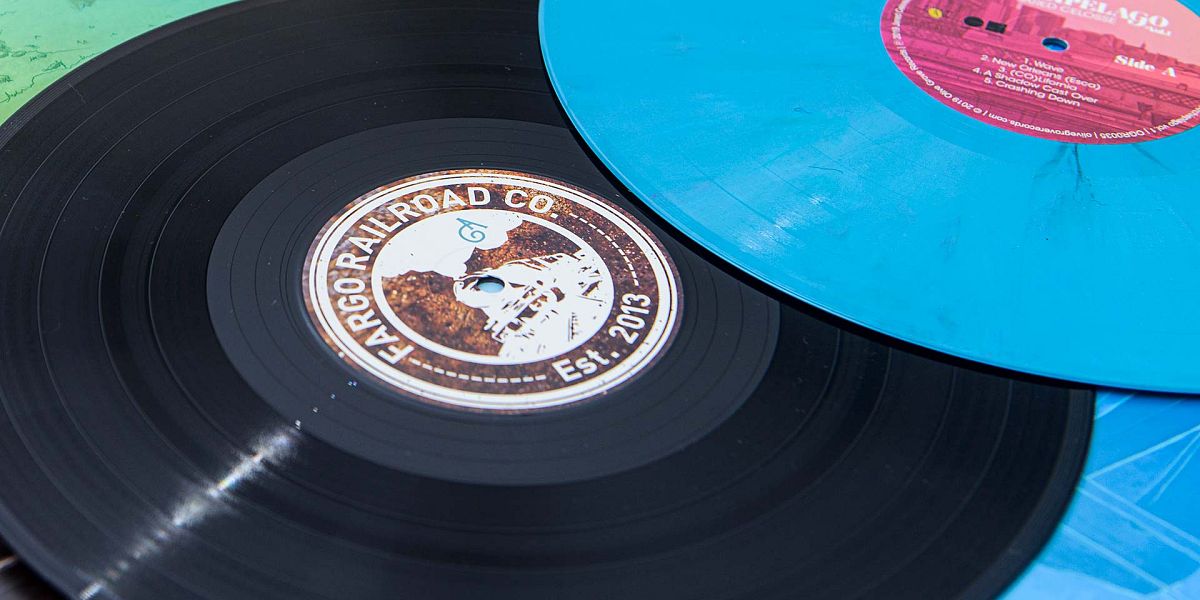
Embracing vinyl records background noise and surface noise.
“Listen man, life has background noise.”
These words perfectly capture the essence of vinyl's charm and the ongoing debate between analogue and digital audio formats.
When CDs burst onto the scene in the early '80s, record company marketing teams trumpeted a revolutionary feature; the absence of background noise. This selling point not only shaped our music listening habits but also influenced broader audio trends. Just look at the popularity of noise-cancelling headphones today!
But here's the thing: the impact of background noise on our musical experience is deeply personal. It varies wildly depending on the genre and production style of the music we're listening to.
The effect of surface noise on different types of music.
Take a blistering metalcore track, for instance. Its wall of sound will easily overpower any ambient noise, whether you're spinning vinyl or surrounded by the hustle and bustle of daily life. On the flip side, a delicate piano concerto or an ambient piece filled with field recordings might struggle to rise above the hum of your refrigerator or the chatter of passers-by.
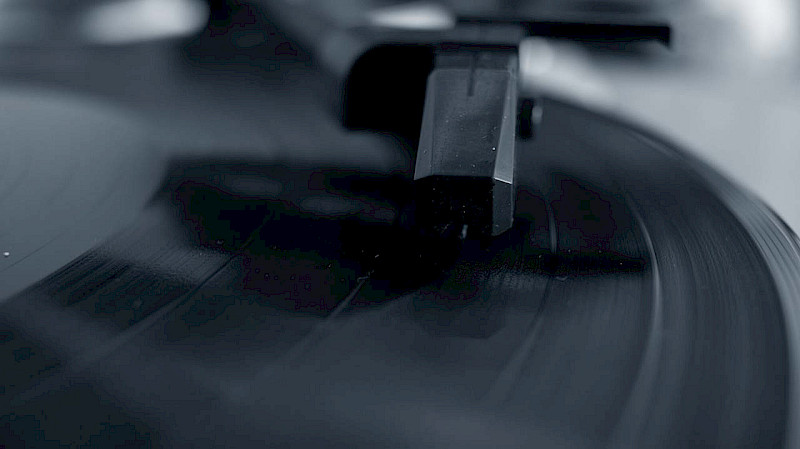
The causes of vinyl surface noise.
The causes of surface noise broadly fall in two categories. Those inherent in the vinyl itself and those stemming from vinyl care and playback
When it comes to the vinyl itself, that characteristic background sound – often called tracking noise – comes from the record's grooves themselves. It's the result of the stylus picking up tiny imperfections as it traces its path along the groove. These imperfections can stem from various sources:
- The cutting process
- The raw materials used
- The intricacies of pressing the record
Even with the utmost care, achieving a perfectly smooth groove is practically impossible. The molecular structure of the pressing material and the complexities of the process mean some level of background noise is inevitable.
Sometimes, that noise you hear might not be from the record but may have snuck in during the recording process itself. In analogue recording setups, a phenomenon called "microphony" can transfer unwanted sounds from tape machines onto the final product. These noises might manifest as hisses, whistles, or scratches, depending on the specific conditions.
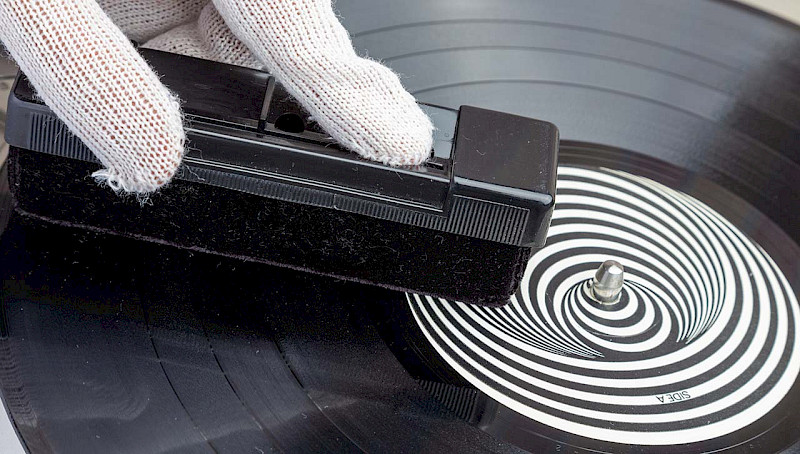
How to reduce vinyl surface noise.
Although there is nothing you can do about surface noise that is inherent in the record itself you can keep the the effect to a minimum through care for your vinyl records and the choice of equipment. The final playback experience is a delicate dance between numerous factors:
- The needle's profile
- Cartridge suspension and weight
- The type of cartridge (MC, MM, or MI)
- Cable capacitance
- Phono preamplifier quality
- And even your speakers
Each component in this chain can introduce, amplify, or reduce noise. While it's not a hard and fast rule, MC (moving coil) systems often have the edge in tracking performance. Their low-impedance generators are gentler on the grooves, and their lighter weight allows for smoother tracking. However, they're also more sensitive to high-frequency resonances, and their performance heavily depends on the quality of your phono preamp.
So, is there a definitive answer to which setup produces the least surface noise? Well, to truly compare individual components, you'd need a controlled laboratory environment. Only then could you isolate variables and draw meaningful conclusions.
Life has background noise, and so does vinyl. It's part of the experience – a reminder of the physical, analog nature of the medium. In a world increasingly dominated by pristine digital audio, there's something comforting about the warm crackle of a vinyl record. It's not just noise; it's character.
Andreas Kohl
More articles from Breed
Vinyl Surface Noise FAQs
Careful choice of stereo equipment can help to reduce the inherant surface noise toa minimum. In addition cotrrect handling and storage will avoid introducing additional noise on playback.
Careful handling and storage of your records can keep them in a pristine, near mint condition for a lifetime. Here are five top tips for looking after your vinyl.
- Never touch the surface of the record with your fingers. Hold it by the edges.
- Clean you record with a purpose made cloth each time you play it.
- Always put your record back in the sleeve immediately after playing.
- Store your records vertically.
- Keep your records out of direct sunlight, in a dry environment away from direct heat sources.
How Breed can reduce surface noise.
There is nothing we can do at Breed Media to make sure that people who buy your records look after them and play them on quality HiFi equipment but we can advise you on how to maximise the quality of your vinyl.
Breed Media can offer advice on audio mastering and provide a top quality record cutting service to get the absolute most from your recordings and keep surface noise to a minimum.