Vinyl Reinvented: What Artists Need to Know About Injection Moulded PET Records
Vinyl records have always been tied to tradition. But as artists and labels look to reduce environmental impact without compromising on sound quality, new manufacturing techniques are starting to rewrite the rulebook.
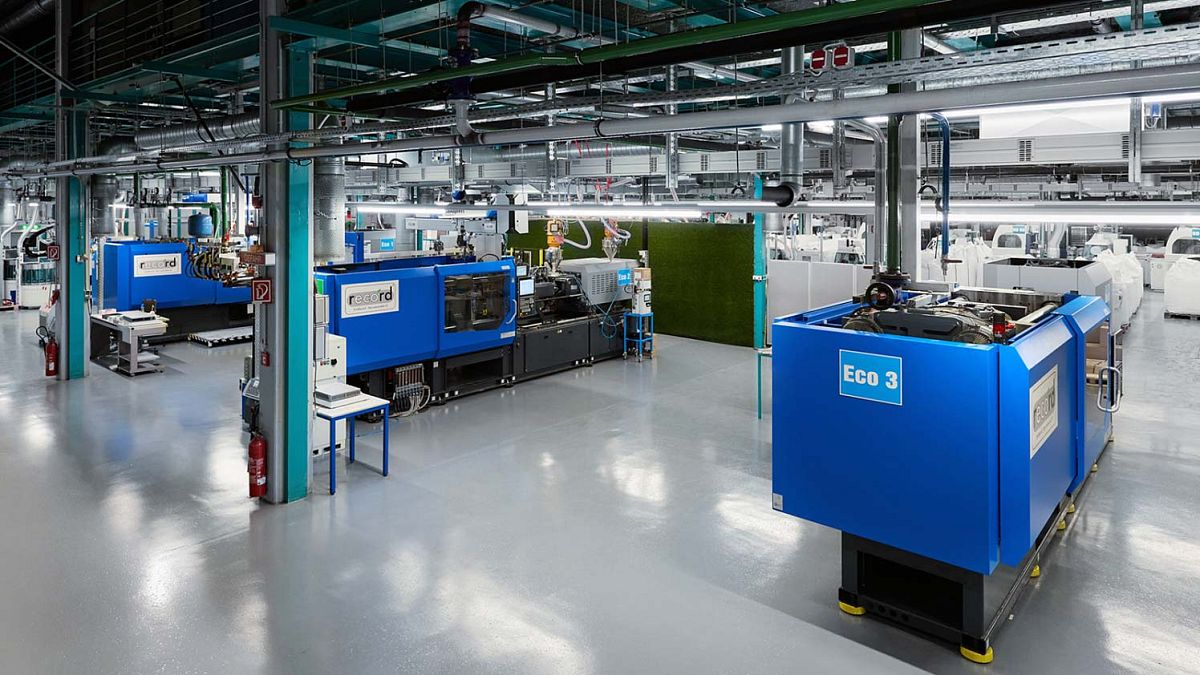
One of the most talked about developments in recent years is injection moulded vinyl - a process that swaps traditional pressing for high-precision moulding, using recyclable PET plastic. With roots in past production processes and eyes on the future, this method is making a credible case for more sustainable record production. But, as with any innovation, it’s important to separate practical sustainability from marketing spin.
A Familiar Process, Reinvented
The idea behind injection moulding isn’t entirely new. In fact, it was used in the 1970s and ’80s to create lightweight 7-inch records made from polystyrene - often recognisable by their directly printed labels and lower durability. Today’s approach is vastly improved.
Thanks to innovators like Symcon in the Netherlands, injection moulding has been reborn using PET (polyethylene terephthalate) - the same material used in plastic drinks bottles. Unlike older methods, this new generation of moulded records rivals traditional vinyl in sound quality and feel.
How It Works
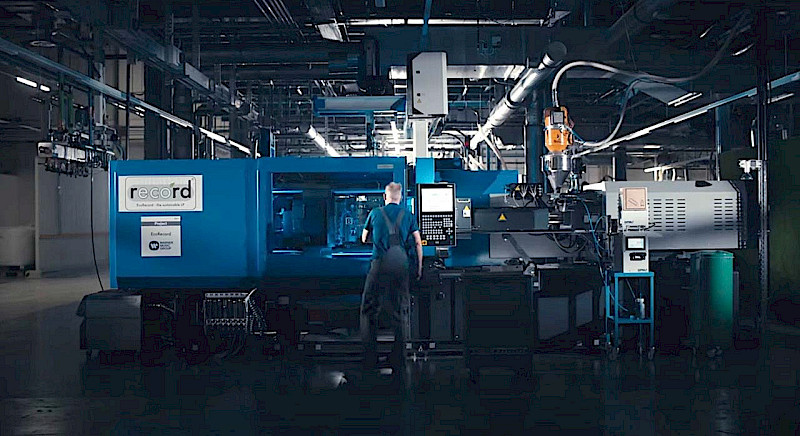
In standard vinyl pressing, heated PVC pellets are compressed between two stampers to create a record. With injection moulding, the process is different:
- PET plastic is melted at higher temperatures (around 300°C).
- It is then injected in liquid form between two stampers.
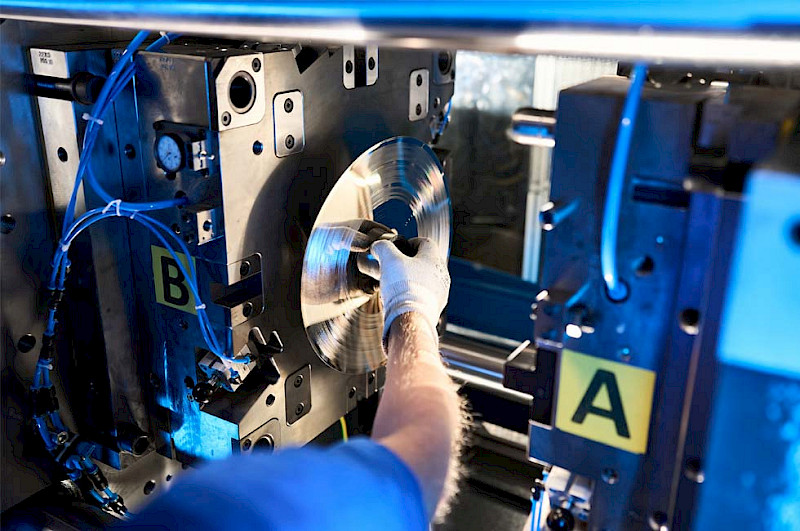
- After cooling, the mould opens and the record is released.
- The stampers themselves are identical to those used in traditional vinyl manufacturing, ensuring consistency in audio quality.
Sustainability: More Than Just Materials
On the surface, injection moulded records tick several eco-friendly boxes:
- PET can be made from nearly 100% post-consumer recycled plastic
- The process uses less water and avoids steam generation
- Stampers last longer - up to 5,000 pressings per set compared to 1500 - 2000 for traditional vinyl
But sustainability isn’t just about the materials used - it’s also about context, logistics, and lifecycle impact.
What About River or Ocean Plastics?
You may have seen records made from recycled ocean or river plastics. While these products offer a great proof of concept - and draw attention to the plastic pollution crisis - they’re not always the green solution they appear to be.
Here’s why: Transporting reclaimed plastic across continents to make a niche product like vinyl records creates a carbon footprint that often outweighs the environmental benefit. Recovered plastics, especially from water sources, can be better used in products with higher impact and broader distribution, such as durable consumer goods or building materials. Vinyl records, while beautiful and culturally significant, are not essential-use items, and therefore their sustainability case needs to be measured realistically.
In short: using recycled PET from a well-managed, regional supply chain (such as drinks bottles) is currently the most responsible and scalable route for record manufacturing.
Sound quality and durability
So how do these PET records perform? Initial test runs and releases show that injection moulded records deliver great audio quality, comparable to traditionally pressed vinyl. The key factors remain:
- Stamper quality
- Mastering precision
- Consistent production
- Quality control at every stage
As always, it’s not just about the manufacturing equipment - it’s about the people operating them.
More articles from Breed
FAQ on PET injection moulded records.
They can be - depending on how and where the raw materials are sourced. Using locally collected, recycled PET (such as plastic bottles) reduces energy use and avoids the heavy environmental costs of steam-based vinyl pressing. However, records made from ocean or river plastics shipped across the globe may cancel out sustainability gains due to transportation emissions. Real sustainability lies in efficient, regional sourcing and production, not marketing-led materials alone.
They’re made from PET (polyethylene terephthalate) - a plastic commonly used in food and drink packaging. PET records can incorporate a high percentage of recycled content and are equally recyclable to PVC products post-use in many regions.
Yes, in current tests and limited commercial releases, injection moulded PET records have shown excellent sound quality, comparable to traditionally pressed vinyl. As with any format, mastering, stamper quality, and quality control are critical factors in the end result.
Why use Breed Media for sustainable vinyl alternatives?
At Breed Media, we work with innovative partners leading the way in next-generation record manufacturing. Our injection moulded vinyl options offer: Lower impact production, high-quality sound, a viable alternative for sustainably conscious artists and labels
And with our experienced team managing everything from audio to artwork, packaging to fulfilment, you’re in safe hands - whether you’re pressing your first album or managing a global release. Thinking about your next pressing? Talk to us about how injection moulded vinyl could offer you a more sustainable, high-quality, and future-ready format for your music.
Let’s make something that sounds good and feels good too.