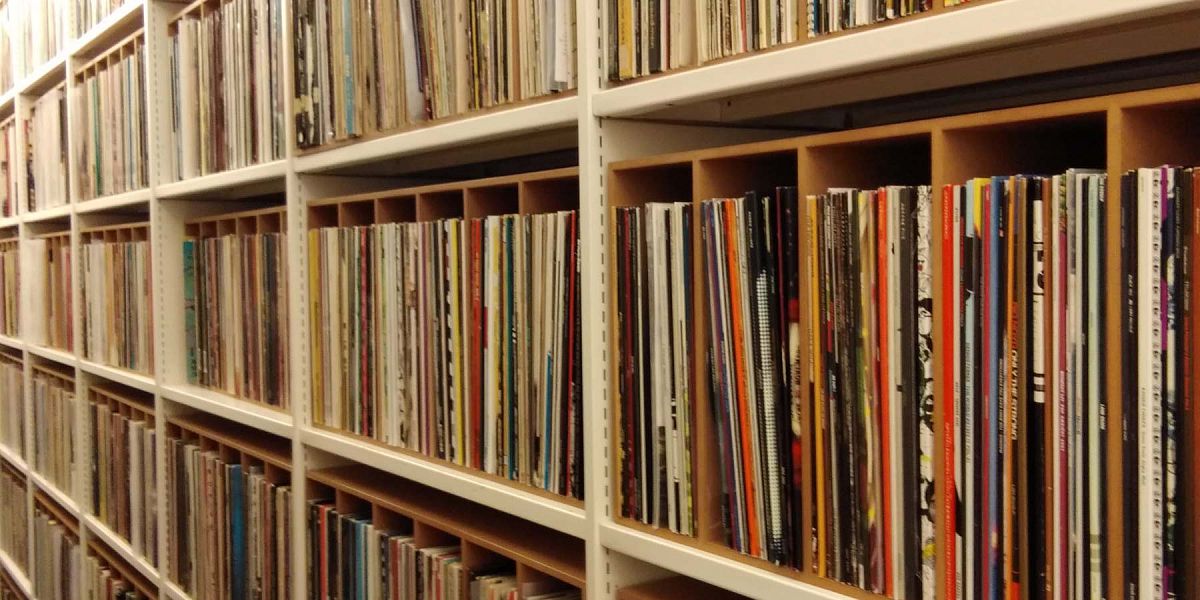
Why Vinyl Records are one of the most durable audio formats ever made
When people ask how durable a vinyl record is there are two things to consider. The first is the material itself, the second is the way the sound information is stored in the groove. Together, these explain why vinyl has survived for decades while many other formats have already failed.
Vinyl is a material built to last
Modern records are made from a PVC and PVAc compound for which the basic formula has barely changed since the mid 1950s. Some additives previously used in manufacture are no longer permitted for environmental reasons however they have been replaced without any change to the core properties of the material.
Vinyl is chemically stable; no known micro-organisms break it down and normal background radiation has no effect. When stored within sensible temperature and pressure limits, a record has an almost unlimited shelf life. Newer petroleum free PVC production methods such as ‘Bio-Vinyl’ have not change these properties; they affect how the material is made but not how it performs once pressed.
Heat is vinyl’s weak point
The main vulnurability for vinyl is heat. Structural molecular changes begin at around 57° celsius and above this point the material may warp, split, or permanently deform. Records should therefore be kept away from direct sunlight, heat sources such as radiators and rapid fluctuations in temperature. Vinyl is also vulnerable to excessive pressure over time so records should always be stored vertically.
Wear and the groove
Every time a record is played, there is friction between the stylus and the groove. Over many plays this slowly alters the shape of the groove. This is unavoidable, however, it's predictable and very gradual whilst good equipment, clean records, and a properly set up turntable reduce the effect significantly. A well pressed, carefully stored and well maintained record remains enjoyable for a very long time and easily outlasts most other consumer audio formats.
Storing records to maximise durability
- Keep out of direct sunlight
- Store at a steady temperature
- Always store records in their sleeves
- Store vertically
- Avoid sustained pressure (such as squeezing too many records onto a shelf)
Handling records to maximise durability
- Replace records in their sleeves imediately after playing
- Avoid touching the playing service of the record
- Clean a record before playing it
- Use dedicated cleaning cloths
- Wipe records in a rotary motion in the direction of the grooves
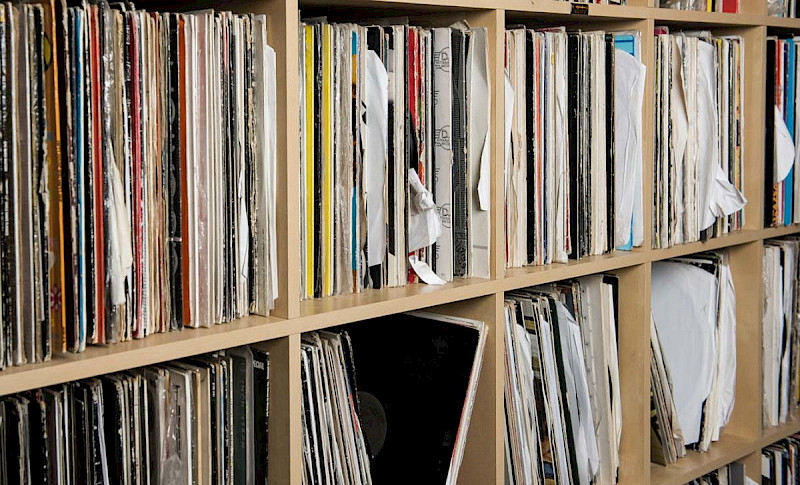
How vinyl compares to other formats
Compared with optical and magnetic media, vinyl is remarkably resilient. Compact discs are comprised of multiple layers of different materials introducing a range of vulnerabilities. They need a clear polycarbonate outer layer with precise refraction properties and a thin reflective metal coating. Over time, the plastic can yellow or turn cloudy and the reflective layer can oxidise. Once this happens, the disc may become unreadable.
Magnetic tape has its own issues. The recorded signal can weaken over time and a strong magnetic field can distort or competely erase information. Moisture damages the tape causing the ferric oxide to come away from the plastic carrier so temperature and humidity must be carefully controlled for long term storage. Even unused tapes will degrade over time.
Vinyl behaves differently. Although vinyl playback causes wear, stored records remain stable whilst optical and magnetic formats may degrade even when unused and stored correctly.
Sound storage and long term access
What truly sets vinyl apart is the way it stores information. The sound is recorded in analogue form, a direct physical representation of the audio waveform, created mechanically. The audio exists as physical geometry so no electronics are required to reproduce it, no file formats, no software, operating systems or even electricity. This makes vinyl uniquely readable over very long timescales. Playback technology is simple and the knowledge needed to reproduce it does not disappear easily which makes it a very robust technology.
This is in stark contrast to many past formats that already show deteriation. What's more floppy disks, punch cards and other early digital storage formats that are readable are difficult or impossible to actually read today as they still require the original hardware equipment for playback. Optical and solid-state formats will face the same problem in time.
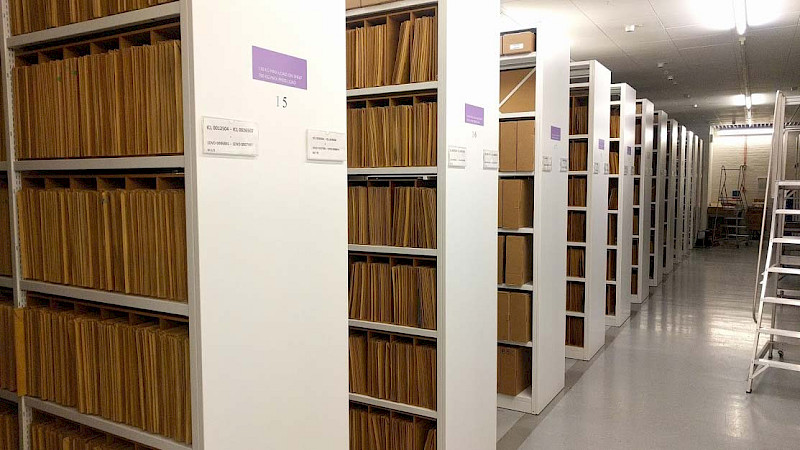
Durability as Cultural Sustainability
Sustainability is mostly discussed in environmental terms, but it also applies to culture. Music is part of our collective memory; if it cannot be preserved and passed on, it's lost. Although musical notation has existed for thousands of years much of the music created and recorded since the invention of sound recording cannot be transcribed into a musical score.
Vinyl supports the long term physical storage of sound. Because it’s a physical, self-contained format, it remains accessible without digital platforms or networked systems. Vinyl does not rely on infrastructure. It cannot be deleted, it cannot be switched off, it cannot be remotely controlled and it stores culture in a decentralised physical form. This is why major archives still rely on records and why space probes, such as Voyager 2, carried records, not digital files.
Production methods still need improvement. Longevity does not automatically mean low environmental impact. But when it comes to preserving sound and culture, vinyl remains unmatched.
More articles from Breed
FAQs about Vinyl Record Durability
With proper storage and careful playback, vinyl records last for many decades. In stable conditions, its lifespan exceeds most optical and magnetic formats.
Heat causes the most serious damage. Poor storage, dust, worn needles, and heavy tracking forces also reduce lifespan over time.
Yes. Every playback causes small amounts of wear, but high-quality equipment and good cleaning routines slow this process significantly.
Why use Breed Media for Durable Vinyl Production
Durability starts long before a record reaches a turntable. At Breed Media, we work with proven pressing partners and apply strict quality control throughout the process. We help you make the right decisions on materials, groove spacing, packaging and handling so your records hold up over time. If longevity matters for your release, Breed Media helps you plan for decades, not trends.